

When people search for 60 amp wire size, they often expect a simple answer such as "use this AWG wire." In reality, selecting a wire for a 60 amp circuit involves several connected ideas: wire size, amp size, ampacity, wire gauge, AWG, amperage, and wire rating. Understanding how these terms work together is much more useful than memorizing a single number.
A wire must be able to carry the required electrical current without exceeding its permitted operating temperature. At the same time, the wire must be compatible with the equipment terminals, installation method, insulation system, overcurrent protection, and applicable electrical code. For longer circuits, voltage drop may also become an important consideration.
For many common U.S. electrical applications, 6 AWG copper is a frequently referenced starting point for a 60 amp circuit. However, that statement is not a universal rule. The actual wire size depends on the conductor material, insulation temperature rating, installation conditions, number of current-carrying conductors, ambient temperature, circuit length, load characteristics, and applicable code requirements.
This guide explains the subject in plain English. Instead of simply giving one wire size, it shows how to understand a wire gauge chart, read an ampacity chart, interpret an AWG ampacity chart, compare wire sizes, and determine why a 60 amp circuit can require different conductor solutions in different installations.
Safety note: This article is for general educational information. Electrical wiring should be designed and installed according to the applicable electrical code, equipment manufacturer's instructions, and local requirements. When in doubt, consult a qualified electrician or electrical engineer.
What Is the Correct 60 Amp Wire Size?
The commonly referenced answer for a typical 60 amp application is 6 AWG copper wire. Under the 75°C ampacity column commonly used for suitable installations, 6 AWG copper is associated with an ampacity of 65 amps. That gives it a useful reference point for a 60 amp application.
However, saying that every 60 amp circuit must use 6 AWG copper is too simplistic.
The correct approach is to determine the required amperage, identify the conductor type, check the applicable wire ampacity, and then verify all relevant installation conditions.
For example, copper and aluminum conductors of the same AWG size do not necessarily have the same ampacity. Temperature ratings can also change the allowable current. In addition, multiple current-carrying conductors installed together may require ampacity adjustment.
Therefore, the better question is not simply:
"What wire size is used for 60 amps?"
A better question is:
"What conductor has sufficient allowable ampacity for this specific 60 amp installation?"
That distinction is the foundation of proper wire sizing.
60 Amp Wire Size Quick Reference
The following table provides a simplified educational reference for common copper wire sizes. It is not a substitute for a complete electrical calculation.
| Wire Gauge | General Relative Size | Common Reference Ampacity* | Typical Current Class |
|---|---|---|---|
| 14 AWG | Small | 15 A | Low-current circuits |
| 12 AWG | Small | 20 A | General branch circuits |
| 10 AWG | Medium | 30 A | 30 amp class |
| 8 AWG | Large | 50 A | Higher-current circuits |
| 6 AWG | Larger | 65 A | 60 amp class applications |
| 4 AWG | Large | 85 A | Higher-current applications |
*Reference values are simplified and depend on conductor material, insulation, temperature column, installation conditions, and applicable code requirements.
The important point is not to memorize this table as a universal rule. Instead, use it to understand the relationship between wire gauge and current-carrying capability.
Understanding Wire Size and Wire Gauge
Wire size describes the physical size of an electrical conductor. In the United States, conductor size is commonly expressed using AWG, which means American Wire Gauge.
AWG can be confusing at first because the numbering system works in reverse compared with what many people expect.
A smaller AWG number means a larger conductor.
For example:
- 14 AWG is smaller than 12 AWG.
- 12 AWG is smaller than 10 AWG.
- 10 AWG is smaller than 8 AWG.
- 8 AWG is smaller than 6 AWG.
- 6 AWG is smaller than 4 AWG.
So when moving from 8 AWG to 6 AWG, the conductor actually becomes larger even though the AWG number becomes smaller.
This is one of the first concepts anyone working with a wire size chart should understand.
Why Does a Larger Wire Carry More Amperage?
The basic reason is resistance.
A larger conductor generally provides a greater cross-sectional area for current to flow through. For a given conductor material and length, increasing conductor size generally reduces electrical resistance.
When current flows through resistance, heat is produced. A simplified relationship is:
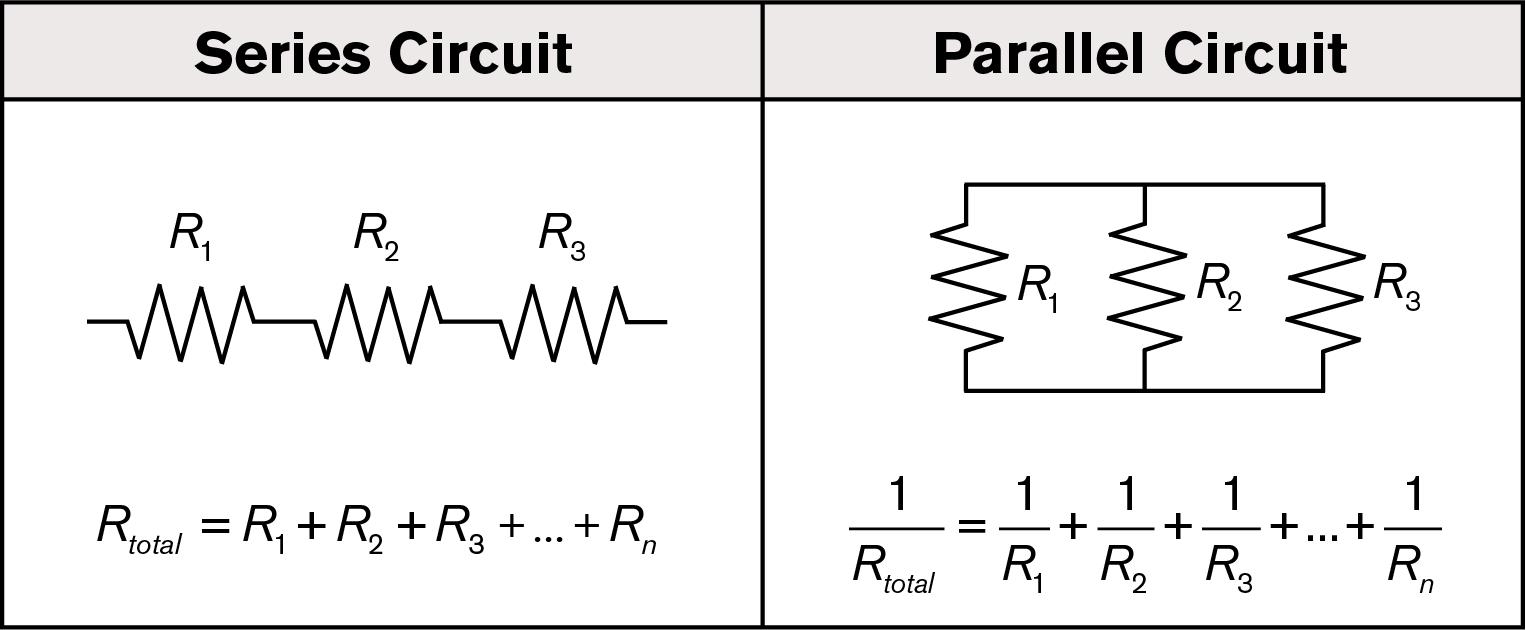
P = I²R
Here, P represents power dissipated as heat, I represents current, and R represents resistance.
The squared current term is especially important. If current increases significantly, heat generation can increase rapidly.
This is why a wire that is suitable for a relatively low amperage should not simply be connected to a much higher-current load.
Increasing the wire size can reduce resistance and improve the conductor's ability to manage heat. But the final allowable ampacity still depends on the complete installation.
What Does Ampacity Mean?
Ampacity means the amount of current a conductor is permitted to carry under specified conditions without exceeding its allowable temperature limit.
This definition is more precise than saying that ampacity is simply "how many amps a wire can handle."
Why?
Because the same wire size can have different allowable current ratings depending on how and where it is installed.
Important factors include:
- Conductor material
- Insulation type
- Temperature rating
- Ambient temperature
- Number of current-carrying conductors
- Installation method
- Terminal temperature rating
- Load characteristics
- Applicable electrical code
That is why an ampacity chart should always be read together with its notes and conditions.
Wire Amp Size vs Wire Ampacity
The terms wire amp size and wire ampacity are often mixed together in online searches, but they describe different ideas.
Wire size refers to the conductor's physical dimensions, commonly represented by AWG.
Amperage describes the amount of electrical current flowing through the circuit.
Ampacity describes how much current the conductor is permitted to carry under specific conditions.
These three concepts are related but should not be treated as interchangeable.
For example, a 6 AWG conductor has a specific physical size. A circuit may carry 40 amps, 50 amps, or 60 amps through that conductor depending on the application. The allowable ampacity is then determined using the appropriate electrical rules.
This distinction is particularly important when someone searches for a 60 amp wire rating.
What Is a 60 Amp Wire Rating?
A 60 amp wire rating generally means that the conductor has an allowable ampacity appropriate for a circuit requiring 60 amps under the stated conditions.
It does not mean the wire contains a permanent label saying "60 amps" in every application.
Instead, wire ampacity is determined from electrical tables and installation requirements.
For example, a particular 6 AWG copper conductor may have different ampacity values depending on whether the applicable temperature column is 60°C, 75°C, or 90°C. The final permitted value may also be reduced by adjustment or correction factors.
This is why a professional electrical calculation does not stop after finding an AWG number.
How to Read a Wire Gauge Chart
A wire gauge chart normally starts with AWG numbers and may include conductor diameter, cross-sectional area, resistance, ampacity, or other technical information.
When reading a wire gauge chart, start by remembering the AWG direction:
Lower AWG number = larger wire.
For example, 6 AWG is physically larger than 8 AWG.
The chart can then be used to compare relative conductor sizes.
But do not assume that a gauge number automatically determines the final amperage rating. A gauge chart tells you about conductor size, while an ampacity chart tells you about allowable current under specific conditions.
Wire Size Chart and Ampacity Chart Are Not the Same
A wire size chart and an ampacity chart answer different questions.
A wire size chart helps answer:
"How large is this conductor?"
An ampacity chart helps answer:
"How much current can this conductor carry under these conditions?"
This distinction is easy to overlook because many websites combine both types of information into one table.
For educational purposes, combining them can be convenient. For an actual installation, however, the source table, conductor type, temperature rating, and installation conditions must be checked carefully.
60 Amp Wire Size and Copper Conductors
When people discuss 60 amp wire size, 6 AWG copper is often the first size mentioned.
There is a practical reason for this. Under commonly referenced 75°C ampacity values, 6 AWG copper is rated at 65 amps in the relevant table.
That makes 6 AWG copper a useful reference point for a 60 amp application when the installation conditions permit that ampacity.
However, the phrase "6 AWG copper" contains two important pieces of information:
- 6 AWG identifies the conductor size.
- Copper identifies the conductor material.
Changing either one can change the result.
60 Amp Wire Size and Aluminum Conductors
Aluminum is another common conductor material, particularly for larger electrical conductors where cost and weight are important.
However, copper and aluminum should not be treated as identical simply because they have the same AWG number.
For example, a particular aluminum conductor may require a larger AWG size than a copper conductor for the same application.
This is why a wire ampacity chart normally separates copper and aluminum values.
When selecting aluminum wire for a 60 amp circuit, verify:
- Aluminum conductor ampacity
- Conductor temperature rating
- Equipment terminal compatibility
- Connector and lug specifications
- Installation method
- Applicable electrical code
The same principle applies when selecting copper conductors.
60 Amp Wire Gauge: Why 6 AWG Is Commonly Discussed
The relationship between 60 amp wire gauge and 6 AWG is largely based on ampacity.
A 60 amp circuit needs a conductor whose allowable ampacity satisfies the applicable requirements. Under suitable conditions, 6 AWG copper provides a commonly referenced 65 amp ampacity in the 75°C column.
That is why 6 AWG frequently appears in discussions about 60 amp circuits.
But the correct engineering mindset is:
Do not select the wire because someone said "60 amps equals 6 gauge." Select the conductor because its allowable ampacity and other characteristics satisfy the actual installation.
This approach is more accurate and remains useful when the installation changes.
30 Amp Wire Size vs 60 Amp Wire Size
Comparing 30 amp wire size with 60 amp wire size helps explain the relationship between amperage and conductor size.
10 AWG copper is commonly associated with 30 amp circuits, while 6 AWG copper is commonly referenced for 60 amp applications under suitable conditions.
The difference is significant.
A 60 amp circuit can carry twice the current of a 30 amp circuit. Since resistive heating is related to the square of current, the thermal consequences of increasing current can be substantial.
This is one reason conductor sizing must be taken seriously.
| Application Class | Common Copper Reference | General Idea |
|---|---|---|
| 30 amp class | 10 AWG | Common reference for 30A circuits |
| 50 amp class | 8 AWG | Common higher-current reference |
| 60 amp class | 6 AWG | Common reference when applicable conditions are met |
| Higher-current class | 4 AWG | Larger conductor for higher ampacity requirements |
This is a learning reference rather than a universal installation table.
How Amperage Affects Wire Size
Amperage is the amount of electrical current flowing through a circuit.
As amperage increases, the conductor generally needs greater ampacity.
Greater ampacity can often be achieved by using a larger conductor, using an appropriate conductor material, or selecting a conductor with an appropriate insulation and temperature rating. But the complete installation determines the final allowable ampacity.
This creates a simple conceptual relationship:
Higher amperage → greater required ampacity → potentially larger wire size.
The word "potentially" matters because wire selection is not based on current alone.
Temperature and 60 Amp Wire Rating
Temperature is one of the most important factors in wire ampacity.
Electrical conductors produce heat when current flows through them. If the conductor cannot release that heat effectively, its temperature can rise.
Different conductor insulation systems have different temperature capabilities. Electrical ampacity tables therefore provide different values depending on the temperature rating.
For example, a 6 AWG copper conductor may have a lower value in a 60°C column than in a 75°C or 90°C column.
However, it would be incorrect to simply choose the highest temperature number. The equipment terminals and other parts of the installation may impose lower limits.
Therefore, a wire rating should always be considered together with the equipment and installation.
Why the Same AWG Can Have Different Ampacity
Suppose two conductors are both labeled 6 AWG.
They have the same nominal AWG conductor size, but they may not have the same allowable ampacity if they differ in:
- Conductor material
- Insulation temperature rating
- Construction
- Installation conditions
- Number of current-carrying conductors
- Ambient temperature
This explains why a professional AWG ampacity chart contains more information than just gauge numbers.
Current-Carrying Conductors and Ampacity Adjustment
When several current-carrying conductors are installed together, the conductors can heat one another.
Imagine several wires packed closely inside a conduit or cable assembly. Each wire produces heat. The surrounding wires can make heat dissipation more difficult.
Electrical codes therefore provide rules for adjusting allowable ampacity when certain numbers of current-carrying conductors are installed together.
This is another reason why a simple online amp chart may not provide the final answer for a real installation.
Ambient Temperature and Wire Ampacity
Ambient temperature can also influence conductor ampacity.
A conductor operating in a cool environment has more opportunity to release heat than one operating in a very hot environment.
If the ambient temperature is significantly higher than the assumptions used by the ampacity table, correction factors may be required.
For a 60 amp circuit installed in an unusually hot environment, this consideration can be important.
In other words, the same wire size can behave differently under different environmental conditions.
Does a Longer 60 Amp Circuit Need a Larger Wire?
A longer circuit does not automatically mean that a larger conductor is required solely because of ampacity. However, circuit length can make voltage drop more important.
Voltage drop occurs because conductors have resistance.
A simplified relationship is:
Vdrop = I × R
As conductor length increases, resistance increases. Therefore, a long circuit can experience greater voltage drop.
A larger conductor generally has lower resistance and can reduce voltage drop.
This creates an important distinction:
- Ampacity asks whether the conductor can safely carry the current.
- Voltage drop asks how much voltage is lost along the conductor.
A wire can satisfy the ampacity requirement and still deserve a larger size because of voltage-drop considerations.
60 Amp Wire Size and Continuous Loads
Another important factor is whether the load is continuous.
A load that operates for a long, sustained period can create different design considerations from a load that operates intermittently.
Depending on the applicable electrical code, continuous loads can affect conductor and overcurrent protection calculations.
Therefore, someone asking about a 60 amp wire rating should also consider how the circuit will actually operate.
A circuit that occasionally reaches a certain current is not necessarily equivalent to one that operates at that current continuously.
Why the Breaker Rating and Wire Size Must Work Together
The purpose of an overcurrent protective device is to protect the circuit against excessive current under the applicable rules.
The conductor and protective device therefore need to be properly coordinated.
A common mistake is to think:
"I have a 60 amp breaker, so any wire that physically fits the terminals can be used."
That is not a safe way to design a circuit.
The conductor must have an appropriate allowable ampacity, and the installation must comply with the relevant electrical requirements.
Common 60 Amp Wire Size Mistakes
1. Looking Only at the AWG Number
AWG identifies conductor size, but it does not tell you everything about ampacity.
2. Looking Only at Amperage
The current requirement is important, but temperature, installation conditions, conductor material, and other factors also matter.
3. Confusing Wire Size With Ampacity
A wire's physical size and its allowable current rating are related but not identical.
4. Ignoring Copper vs Aluminum
The same AWG size can have different electrical characteristics depending on conductor material.
5. Using the Highest Number in an Ampacity Chart
The highest temperature-column value is not automatically the final permitted ampacity.
6. Ignoring Circuit Length
Long circuits may require additional voltage-drop analysis.
7. Ignoring Installation Conditions
Conductor grouping, ambient temperature, wiring method, and other factors can affect allowable ampacity.
How to Choose a 60 Amp Wire Size Step by Step
A practical wire-sizing process can be organized into several simple steps.
Step 1: Determine the Required Amperage
First determine how much current the equipment or circuit is expected to draw.
Step 2: Determine the Load Type
Identify whether the load is continuous, intermittent, motor-related, heating-related, or another type of electrical load.
Step 3: Select the Conductor Material
Determine whether copper or aluminum will be used.
Step 4: Check the Wire Gauge
Use the AWG information to identify an appropriate conductor size.
Step 5: Check the Ampacity
Use the appropriate wire ampacity chart or electrical code table.
Step 6: Check Temperature Conditions
Verify the applicable conductor and terminal temperature ratings.
Step 7: Check Adjustment and Correction Factors
Account for conductor grouping and ambient temperature where required.
Step 8: Check Voltage Drop
For long runs, determine whether the selected conductor provides an acceptable voltage at the load.
Step 9: Verify Equipment Compatibility
Confirm that breakers, terminals, connectors, and other equipment are compatible with the selected conductor.
Step 10: Verify the Applicable Code
The final design should comply with the electrical code and local requirements governing the installation.
A Practical Example of 60 Amp Wire Size Selection
Consider a simplified example where a circuit requires a 60 amp overcurrent device and copper conductors are being considered.
A preliminary reference check shows that 6 AWG copper has an ampacity of 65 amps in the commonly referenced 75°C column.
At first glance, that appears to satisfy a 60 amp requirement.
But the calculation should continue.
The designer should check:
- Whether the conductor insulation permits the selected temperature rating.
- Whether the equipment terminals have the appropriate temperature rating.
- Whether there are additional current-carrying conductors.
- Whether ambient temperature requires correction.
- Whether the load is continuous.
- Whether the circuit is long enough for voltage drop to matter.
- Whether the equipment accepts the selected conductor size and material.
- Whether local electrical requirements introduce additional restrictions.
If all applicable conditions support the selection, 6 AWG copper may be an appropriate conductor size. If not, the design may require a different conductor size or configuration.
This example demonstrates why an ampacity chart is a starting point rather than the entire design process.
Why a Bigger Wire Is Not Always the Best Answer
It may seem logical to simply choose the largest possible wire. In practice, conductor selection involves trade-offs.
A larger conductor can reduce resistance and voltage drop, but it can also:
- Cost more
- Be heavier
- Be more difficult to bend
- Require larger terminals or connectors
- Take more installation space
Good electrical design therefore aims for a conductor that is appropriately sized for the actual application.
The goal is not simply to find the biggest wire. The goal is to find a wire with adequate ampacity, rating, mechanical suitability, and electrical performance.
How to Understand an AWG Ampacity Chart
An AWG ampacity chart combines two concepts that users often search for separately: wire gauge and current capacity.
When reading such a chart, look at the following information:
- AWG: Identifies conductor gauge.
- Material: Indicates copper or aluminum.
- Temperature: Identifies the applicable temperature column.
- Ampacity: Shows the allowable current under the stated conditions.
- Notes: Explain limitations or special requirements.
This method makes the chart much easier to understand.
60 Amp Wire Size FAQ
What AWG Wire Is Commonly Used for 60 Amps?
6 AWG copper is a common reference for a 60 amp application when the applicable installation conditions support its ampacity. It should not be treated as an automatic answer for every installation.
Is 6 AWG a Large Wire?
Compared with common branch-circuit sizes such as 12 AWG and 14 AWG, 6 AWG is a relatively large conductor. Remember that lower AWG numbers represent larger conductors.
What Is the Difference Between Wire Size and Ampacity?
Wire size describes the physical conductor size, commonly expressed as AWG. Ampacity describes the amount of current the conductor is permitted to carry under specified conditions.
Does a 60 Amp Circuit Always Need 6 AWG?
No. Conductor selection depends on material, temperature rating, installation method, conductor count, ambient temperature, voltage drop, equipment limitations, load characteristics, and applicable code requirements.
What Is a Common 30 Amp Wire Size?
10 AWG copper is commonly associated with 30 amp circuits, but the final conductor selection still depends on the specific installation and governing requirements.
Can the Same AWG Wire Have Different Ampacity?
Yes. Ampacity can vary according to conductor material, insulation temperature rating, installation conditions, ambient temperature, and other factors.
Does a Longer Wire Need a Larger Gauge?
A longer run does not automatically require a larger gauge for ampacity alone, but voltage drop becomes increasingly important as conductor length increases. A larger conductor may be selected to reduce voltage drop.
What Is AWG?
AWG stands for American Wire Gauge. It is a conductor sizing system widely used in the United States. In AWG, a lower number generally represents a larger conductor.
What Is an Ampacity Chart Used For?
An ampacity chart helps determine the allowable current for a conductor under specified conditions. It should be used with the applicable notes, correction factors, installation requirements, and electrical code.
What Does 60 Amp Rating Mean?
A 60 amp rating indicates that a component or conductor is intended or permitted for an application involving up to 60 amps under its specified conditions. For wire, the exact allowable ampacity depends on the conductor and installation.
The Most Important Difference Between a Chart and a Real Electrical Design
One of the biggest misunderstandings in online electrical information is treating a chart as if it were a complete design.
A chart is a reference.
A real electrical design is a process.
The chart can tell you that a particular AWG conductor has a particular ampacity under a particular set of conditions. The designer must then determine whether those conditions actually match the installation.
This is especially important for a 60 amp circuit because the current level is high enough that conductor heating, termination requirements, installation conditions, and voltage drop can become significant design considerations.
A Simple Mental Model for Wire Sizing
If you want a simple way to remember the entire subject, think of wire sizing as a chain:
Load → Amperage → Required Ampacity → Wire Gauge → Temperature → Installation → Voltage Drop → Code Verification
The load determines how much current the circuit needs.
The current determines the required ampacity.
The required ampacity helps determine an appropriate wire gauge.
Temperature and installation conditions determine whether that conductor can actually provide the required ampacity.
Circuit length introduces voltage-drop considerations.
Finally, the complete installation must comply with the applicable electrical code and equipment requirements.
This mental model is more valuable than memorizing "60 amps equals 6 AWG."
Final Takeaway: Choosing the Right 60 Amp Wire Size
The phrase 60 amp wire size sounds like a simple search query, but proper wire selection requires understanding several related electrical concepts.
Wire size describes the physical conductor size. AWG is the common U.S. sizing system. Wire gauge tells you the conductor size, with lower AWG numbers representing larger conductors. Amperage describes the current flowing through a circuit. Ampacity describes how much current the conductor is permitted to carry under specified conditions. A wire rating must be considered together with temperature, insulation, installation, and equipment requirements.
For many common applications, 6 AWG copper is a useful reference point when discussing a 60 amp circuit. But it should never be treated as a universal rule without checking the actual installation.
The most reliable approach is to start with the required amperage, identify the conductor material, consult the appropriate wire gauge chart and ampacity chart, verify the temperature rating, account for conductor grouping and ambient conditions, consider voltage drop, and confirm the final design against the applicable electrical code.
In short, the right wire is not determined by the number "60" alone. A safe and reliable electrical system comes from matching wire size, AWG, ampacity, amperage, and rating to the real conditions of the circuit.