

TPS53515RVER: Why This 12A Buck Converter Is Getting Attention
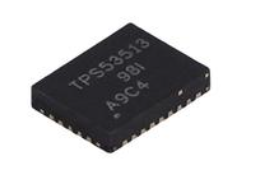
The TPS53515RVER from Texas Instruments is a 12A synchronous step-down buck converter designed for high-current power conversion. It converts a higher DC input voltage into a lower, regulated output voltage for processors, FPGAs, DSPs, memory and other electronic circuits.
With a 1.5V to 18V input voltage range, adjustable 0.6V to 5.5V output voltage, integrated MOSFETs and D-CAP3 control, the TPS53515RVER provides a compact and efficient solution for modern power-management designs.
Contents
What Does the TPS53515RVER Do?
The TPS53515RVER is a synchronous buck converter. Its main job is to step down a DC input voltage and provide a stable lower-voltage power rail.
For example, an electronic system may have a 12V input rail while an FPGA, DSP or processor requires a much lower voltage. The TPS53515RVER can convert this input into the required regulated output while supporting up to 12A of continuous output current.
This makes the device suitable for point-of-load power supplies where the regulator is placed close to the device that needs power.
What Products Use the TPS53515RVER?
The TPS53515RVER is suitable for electronic products that require relatively high-current and efficient DC/DC power conversion.
- FPGA development boards and embedded FPGA systems
- DSP-based industrial equipment
- Industrial control systems
- Networking and communication equipment
- Embedded computing platforms
- Storage and computing equipment
- Processor and memory power rails
- Point-of-load power supplies
- Other high-current DC/DC power systems
The device is especially useful when the design requires a combination of high output current, compact size and fast transient response.
What Are the Main Advantages?
- 12A output capability: Supports high-current power rails for demanding electronic loads.
- Integrated MOSFETs: Reduces the number of external power components required.
- Fast transient response: D-CAP3 control helps the converter respond quickly to changes in load.
- Wide input range: Supports input voltages from 1.5V to 18V.
- Adjustable output: Provides a 0.6V to 5.5V adjustable output range.
- Flexible switching frequency: Supports switching frequencies from 250kHz to 1MHz.
- Compact package: The 28-pin VQFN-CLIP package helps save PCB space.
- Simple external design: The control architecture can reduce external compensation requirements.
Does the TPS53515RVER Have Alternative Parts?
Yes. There are other high-current synchronous buck converters that can be considered as functional alternatives. However, an alternative part should not automatically be considered a drop-in replacement.
The Texas Instruments TPS548A23 is one example of a newer device in the same general power-conversion category. It also supports 12A output current, but it uses a different package, pin configuration and control architecture.
The TPS548A28 is another higher-current option, supporting up to 15A output current. It also has different package and design characteristics.
These devices may be useful when developing a new design, but engineers should carefully compare electrical specifications and PCB requirements before replacing the TPS53515RVER.
Should You Replace the TPS53515RVER?
Whether the TPS53515RVER should be replaced depends on the application.
For a new design, engineers can compare newer buck converters based on efficiency, current capability, thermal performance, package size, cost and supply availability.
For an existing PCB, replacement is more complicated. Engineers should verify input voltage, output voltage, output current, switching frequency, feedback configuration, pinout, package dimensions, thermal performance, protection functions and startup behavior.
If a product has already been qualified with the TPS53515RVER, continuing to use the original device can reduce redesign and validation risk when supply and cost remain acceptable.
Can an Alternative Match the Quality of the Original?
An alternative device can provide similar basic power-conversion functionality, but similar specifications do not automatically mean identical system performance.
Before selecting an alternative, engineers should compare efficiency, output ripple, load-transient response, thermal behavior, current-limit performance, startup characteristics, protection functions and long-term reliability.
Supplier quality, manufacturing consistency, qualification data and traceability are also important for production applications.
Therefore, an alternative may achieve a similar electrical result, but its actual performance should be verified through datasheet comparison, engineering samples and system-level testing.
Why Is the TPS53515RVER Receiving Market Attention?
One important reason is the continuing growth of high-performance electronic systems. Modern processors, FPGAs, communication equipment and industrial systems require stable power rails with increasingly higher current levels.
The TPS53515RVER combines 12A output current, integrated MOSFETs, fast transient response and a compact package. This combination makes it attractive for designs where power density and PCB space are important.
Another factor is the large installed base of existing electronic designs. Once a power IC has been designed into a product and qualified, manufacturers may continue purchasing the same part for production and maintenance rather than redesigning the entire power section.
Supply-chain conditions can also increase attention around established power-management ICs. When demand, production schedules and distributor inventory change, buyers may actively search for original parts, equivalent devices and alternative sources.
How Long Could Its Market Demand Continue?
It is difficult to accurately predict how long a specific electronic component will remain a high-demand product. Demand depends on new designs, existing production, manufacturer lifecycle decisions, inventory levels and overall market conditions.
The TPS53515RVER is currently listed by Texas Instruments as an active device. This provides an important indication that the product remains part of the manufacturer's active portfolio.
However, the appearance of newer products in the same broad category shows that power-management technology continues to develop. Buyers should therefore monitor both the lifecycle status of the original device and the availability of newer alternatives.
For long-term projects, lifecycle stability and supply reliability are generally more useful purchasing considerations than short-term market popularity.
Which Power IC Categories Could Become More Important?
The development of AI computing, data centers, networking equipment and high-performance processors is increasing demand for high-current and high-density power solutions.
Several power-management categories are therefore worth watching:
- High-current synchronous buck converters
- Multiphase CPU and GPU power solutions
- PMBus-enabled power-management ICs
- High-density point-of-load regulators
- Power stages for AI accelerators
- GaN-based power-conversion solutions
- High-voltage DC power architectures for data centers
Among these areas, high-current power solutions are particularly relevant because increasing processor performance also increases the importance of efficient and stable power delivery.
TPS53515RVER Key Specifications
| Manufacturer | Texas Instruments |
|---|---|
| Part Number | TPS53515RVER |
| Device Type | Synchronous Buck Converter |
| Input Voltage | 1.5V to 18V |
| Output Voltage | 0.6V to 5.5V |
| Output Current | 12A |
| Control Method | D-CAP3 |
| Switching Frequency | 250kHz to 1MHz |
| Package | VQFN-CLIP |
| Pin Count | 28 Pins |
Conclusion
The TPS53515RVER is a high-current synchronous buck converter designed for efficient and compact DC/DC power conversion. Its 12A output capability, integrated MOSFETs, D-CAP3 control and compact package make it suitable for FPGA, DSP, industrial, networking and embedded applications.
There are newer and functionally similar alternatives, but they should not be treated as automatic drop-in replacements. For an existing product, electrical, mechanical, thermal and reliability characteristics should all be verified before substitution.
For new designs, engineers can compare the TPS53515RVER with newer high-current power solutions. For existing products, lifecycle status, supply stability, qualification history and total replacement cost are important factors when deciding whether to continue using the original device or move to an alternative.