

Charging Technology in 2026: Fast Charging, GaN Chargers and the Future of Charging
Contents
Charging Technology in 2026: Why Charging Has Become More Important
Charging is easy to overlook because it happens every day. A phone is connected to a charger, a laptop is plugged in before work, or a power bank is placed in a bag before a trip. Most of the time, users only notice charging when a device is running out of power.
But the rapid growth of consumer electronics is changing this simple habit.
People now use smartphones, laptops, tablets, smartwatches, wireless earbuds, cameras, gaming devices, and many other portable electronics. As the number of devices increases, the need for convenient and reliable power also increases.
This is why charging technology has become a much larger part of the consumer electronics industry.
Modern charging is no longer only about supplying electricity to a battery. It involves power conversion, charging protocols, semiconductor components, thermal management, battery technology, connector design, wireless power transfer, and communication between devices.
The result is a growing charging ecosystem designed around one basic goal: making it easier to keep more devices powered throughout the day.
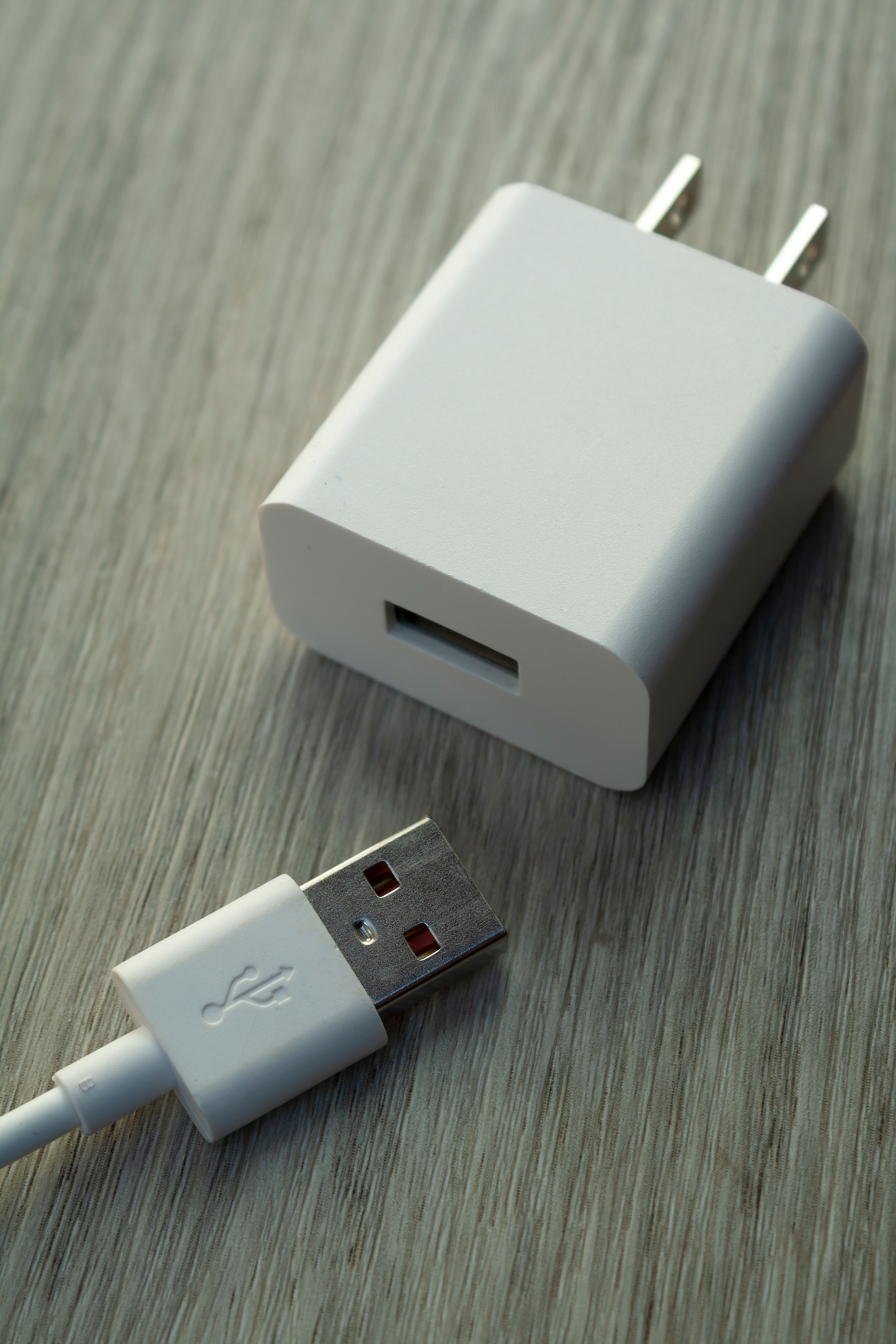
Why the Charging Market Is Moving Beyond the Basic Charger
A traditional charger had a relatively simple purpose. It converted electrical power and delivered it to a device.
Modern users expect much more.
A single charger may need to support several devices with different power requirements. A laptop may need significantly more power than a pair of wireless earbuds. A smartphone may support one charging protocol while another device uses a different method. A user may also expect the same charger to remain compact enough for travel.
These requirements create a difficult engineering balance.
Charging products must provide enough power while controlling heat, maintaining efficiency, supporting compatibility, and keeping their physical size reasonable.
This is one reason the charging market has expanded into a wider ecosystem of chargers, power banks, wireless charging products, cables, adapters, and charging stations.
GaN Chargers and the Search for Smaller Power Products
One of the most visible changes in modern charging technology is the growing use of gallium nitride, commonly known as GaN.
GaN is a semiconductor material that can be used in high-frequency power conversion. In suitable charger designs, it can help engineers create products that combine high power with a smaller physical size.
This is important because consumers generally want two things at the same time: more charging power and less equipment to carry.
A compact GaN charger can potentially replace several older-style adapters in a multi-device setup. For someone carrying a laptop, phone, tablet, or other electronics, reducing the number of chargers can make a noticeable difference.
However, GaN itself does not automatically make every charger better. The complete circuit design still matters. Power ICs, switching components, thermal management, PCB layout, firmware, protection circuits, and charging protocols all affect the final product.
Therefore, the development of GaN chargers should be viewed as part of a broader improvement in power electronics rather than as a single-component solution.
Fast Charging Is a System, Not Just a Number
Fast charging is another major keyword in the modern charging market.
Consumers often compare chargers by wattage. A higher power rating can be useful, but wattage alone does not determine the complete charging experience.
The actual charging speed depends on the relationship between the charger, the electronic device, the battery, the cable, and the supported charging protocol.
For example, a high-power charger cannot force a device to accept more power than the device is designed to handle. Likewise, a cable with limited specifications may prevent a charging system from reaching its expected performance.
This makes protocol compatibility an important part of fast charging technology.
As more devices support higher charging speeds, users need charging equipment that can communicate correctly with connected products and deliver the appropriate level of power.
For this reason, a useful charging solution should be evaluated as a complete system rather than by one specification alone.
Wireless Charging Is Changing User Habits
Wireless charging approaches the problem from a different direction.
Instead of repeatedly connecting a cable, users can place a compatible device on a charging surface. This can make charging more convenient in homes, offices, vehicles, and other everyday environments.
Wireless charging is especially attractive for users who frequently put their devices down and pick them up throughout the day.
Newer wireless charging standards and magnetic charging systems are also improving the practical experience. Better alignment, easier placement, and broader compatibility can make wireless charging more useful for everyday devices.
At the same time, wireless charging introduces its own engineering challenges. Efficiency, heat, alignment, charging speed, electromagnetic design, and compatibility all need to be considered.
Therefore, wireless charging technology is not simply a replacement for a cable. It represents a different approach to delivering power.
Power Banks Are Becoming Portable Power Systems
The role of the power bank is also changing.
In the past, a power bank was mainly an emergency battery. Users carried one because they might not find a wall outlet when their phone battery was low.
Today, power banks can become much more capable portable power systems.
Modern designs may combine higher output power, multiple ports, built-in cables, battery indicators, magnetic attachment, and support for several types of electronic devices.
But capacity is only one part of a power bank's value.
Users also care about weight, size, charging speed, heat, durability, portability, and convenience. A very large battery may provide more stored energy, but it may not be practical for someone who travels every day.
This creates a continuing design challenge: how can manufacturers deliver more useful power without making portable products unnecessarily large and heavy?
Multi-Device Charging Is Becoming a Daily Requirement
The number of personal electronic devices continues to influence charging habits.
A single person may have a smartphone for communication, a laptop for work, a tablet for entertainment, wireless earbuds for audio, and a smartwatch for health or notifications.
Charging each product separately can create a collection of adapters and cables.
This explains the growing interest in multi-port chargers and centralized charging solutions.
Instead of thinking about one charger for one device, users can build a charging setup around their entire collection of electronics.
For example, a desktop charging solution may be designed to support a laptop and smartphone at the same time. A travel setup may focus on a small GaN charger combined with a power bank and a limited number of cables.
The ideal solution depends on the user's actual devices and daily habits.
How to Choose a Charging Solution
Choosing a charger should begin with the devices that need to be powered.
Users should consider the required output power, number of ports, supported charging protocols, cable specifications, physical size, portability, and safety features.
For a laptop user, output power may be one of the most important factors. For a traveler, size and weight may matter more. For a desktop user, the number of ports and cable organization may be more important.
Wireless charging users should also consider device compatibility and positioning.
Power bank buyers should look at capacity together with output power, weight, charging time, and portability.
The key point is simple: there is no universal charging product that is perfect for every situation.
The best charging solution is the one that matches the user's devices and daily usage pattern.
Why Specifications Do Not Tell the Whole Story
Technical specifications are important, but they cannot describe every part of a charging experience.
A product page may list power, capacity, interfaces, dimensions, weight, and protocol support. These specifications provide a useful starting point.
Real-world use adds another layer.
A charger may have excellent power output but take up too much space in a travel bag. A power bank may have a large capacity but be uncomfortable to carry. A wireless charger may be convenient but perform differently depending on device position or operating temperature.
Even the physical arrangement of ports can affect usability.
These details explain why product testing and user experience remain important in the charging industry.
The Charging Ecosystem Is Also a Semiconductor Story
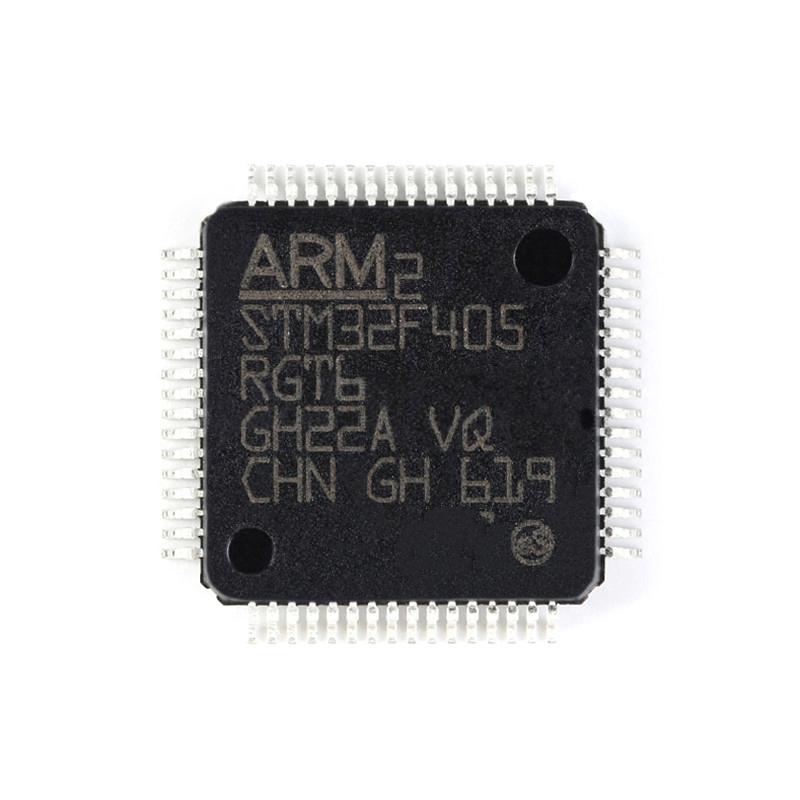
Although consumers mainly see chargers, cables, and power banks, the charging ecosystem depends heavily on semiconductor technology.
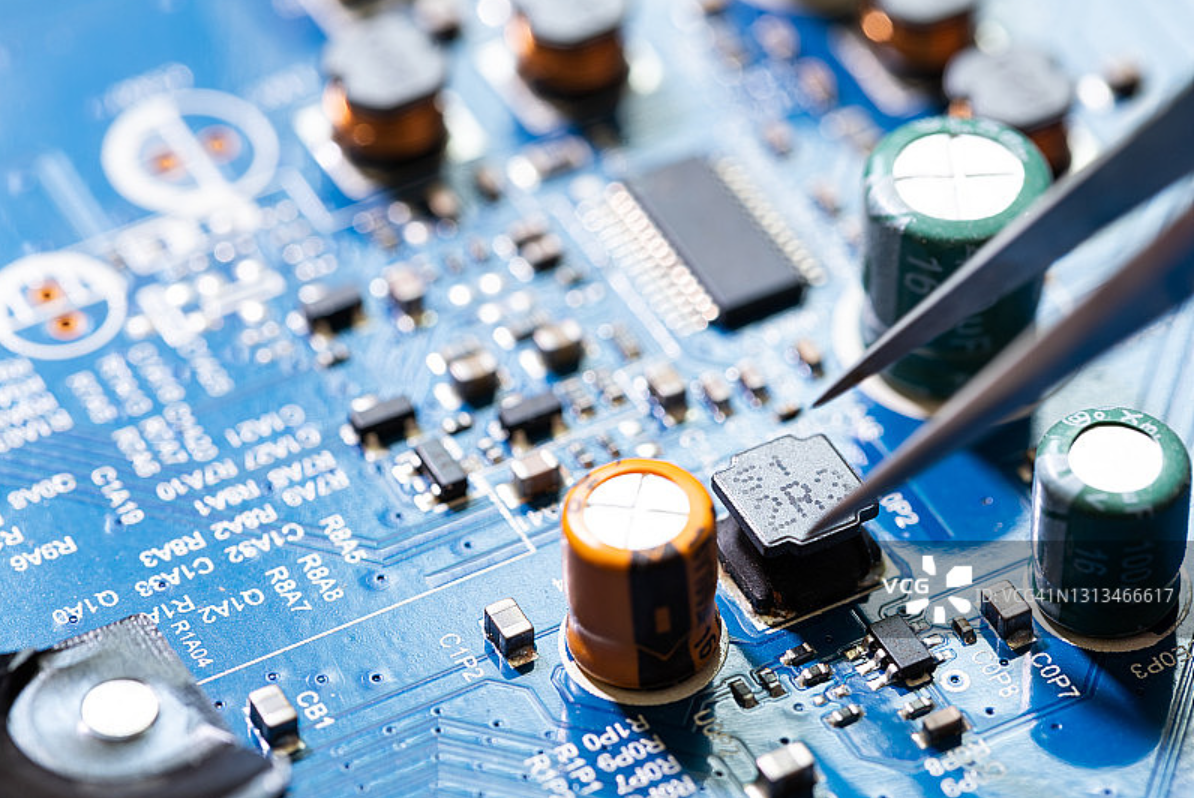
Power management ICs, controllers, MOSFETs, protection devices, sensing circuits, interface components, and other electronic parts work together inside charging equipment.
The performance of the final product depends on how these components are selected and integrated.
This creates opportunities for innovation at several levels. Semiconductor manufacturers can improve efficiency and switching performance. Power solution designers can optimize circuit architecture. Product manufacturers can improve thermal structures and mechanical design. Software and firmware can improve power negotiation and device management.
In other words, modern charging products are the result of multiple technology layers working together.
Charging Technology Trends to Watch in 2026
Several themes are likely to remain important as the charging industry develops.
Higher power in smaller packages: Consumers continue to want powerful chargers that take up less space. Advances in power semiconductor technology and thermal design can support this direction.
More intelligent power management: Charging products increasingly need to identify connected devices and provide suitable power rather than simply delivering a fixed output.
Greater multi-device support: Chargers designed for several products can reduce the number of adapters users need to carry.
Improved wireless charging: Wireless charging technology will continue to focus on convenience, efficiency, compatibility, and user experience.
More portable power: Power banks are evolving from emergency accessories into everyday power solutions for mobile lifestyles.
Stronger ecosystem integration: Chargers, cables, power banks, wireless charging products, and smart devices are increasingly being considered as parts of one connected charging environment.
The Future of Charging May Be Less Visible
One interesting direction for charging technology is that better charging may eventually become less noticeable.
Users do not necessarily want to think about charging protocols, power negotiation, thermal management, or circuit design every time they connect a device.
They simply want their devices to charge reliably.
This means future charging products may focus increasingly on automation and convenience. The technical complexity can remain inside the product while the user experience becomes simpler.
A successful charging system may therefore be one that requires less attention from the user while providing better performance.
From Individual Products to a Complete Charging Strategy
The charging industry is moving toward a more system-based approach.
Instead of asking which individual charger is the most powerful, users can begin by asking what their complete charging environment looks like.
How many devices need power? Which products require high output? Which devices support wireless charging? How often does the user travel? Is portability important? How many cables are actually necessary?
Answering these questions can lead to a more practical charging strategy.
For one person, that may mean a compact GaN charger and a single high-quality cable. For another, it may mean a multi-port desktop charger, wireless charging station, and portable power bank.
The technology is similar, but the solution is personal.
Why Charging Has Become Part of Modern Digital Life
Charging technology is easy to ignore because its purpose is straightforward: provide power.
But the growing number of electronic devices has made the power layer of digital life increasingly important.
Behind every smartphone, laptop, tablet, wearable, and portable electronic device is a charging requirement.
As a result, charging technology sits at the intersection of batteries, semiconductors, power electronics, industrial design, software, connectivity, and consumer behavior.
That is why the charging market continues to develop beyond basic adapters and cables.
Conclusion: The Future of Charging Is About Better Everyday Power
Charging has moved far beyond the simple act of connecting a device to a power source.
GaN chargers are helping make high-power products more compact. Fast charging technology is improving how quickly devices can receive energy. Wireless charging is changing how people interact with their devices. Power banks are becoming more capable portable power systems. Multi-device chargers are helping simplify increasingly complex digital lifestyles.
At the same time, the charging ecosystem is becoming more connected to semiconductor technology, power management, battery systems, thermal design, and charging standards.
The future of charging will therefore not depend on one technology alone. It will come from improvements across the entire system.
For consumers, the most important change may be simple: charging is becoming easier to integrate into everyday life.
For manufacturers and engineers, the challenge is more complex: deliver more useful power, in less space, with better efficiency, compatibility, reliability, and user experience.
As digital devices continue to become part of everyday life, charging will remain an essential technology layer behind them. The products may become smaller, smarter, and more integrated, but the goal will remain the same: keeping the devices people depend on ready when they need them.